#1 SEO Company Dubai
#1 SEO Company Dubai
Sun-Thu: 10 AM to 7 PM - Sat-Fri: Closed
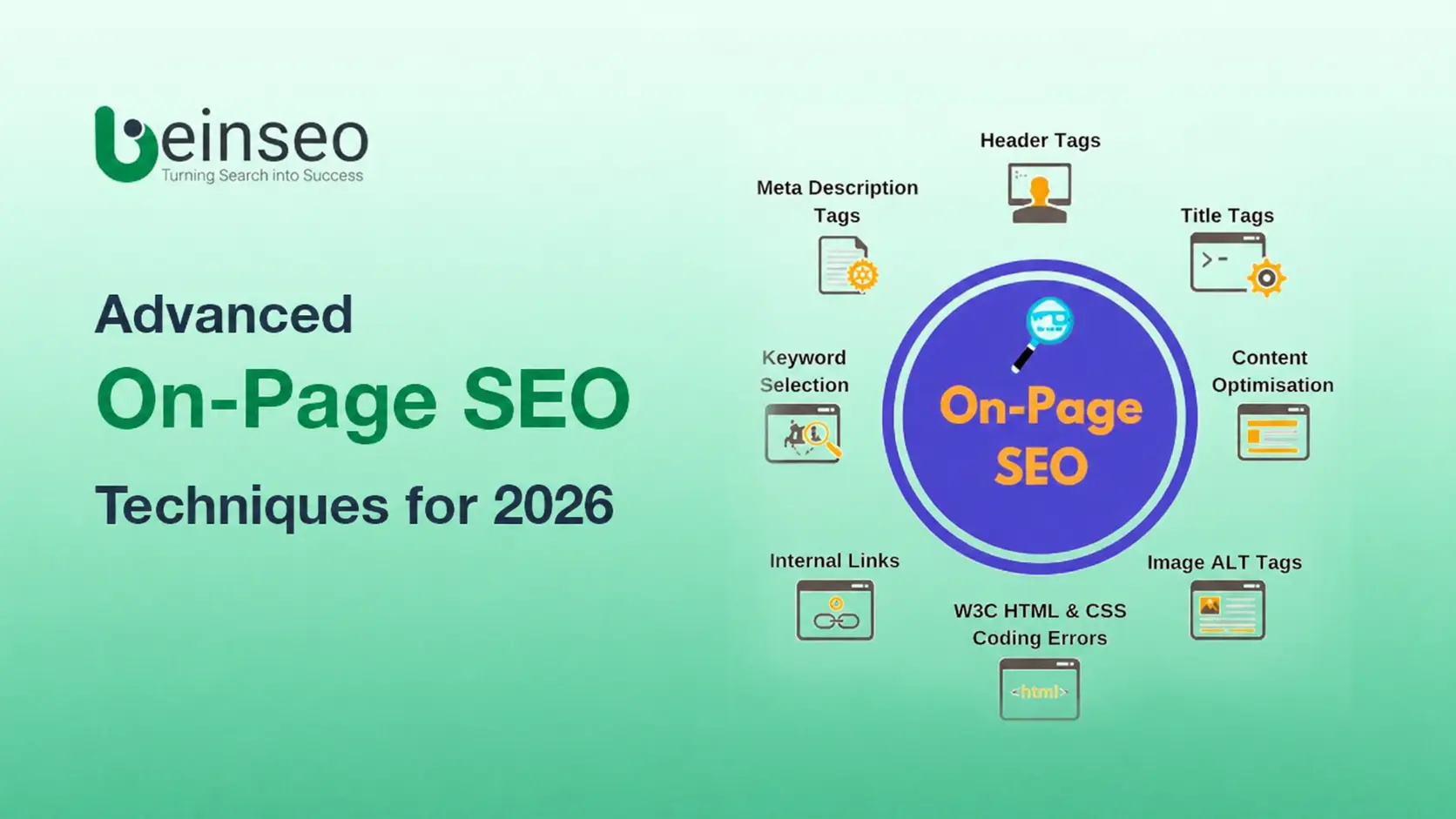
Looking to get more organic search traffic and improve your website's search ranking? In the real world of SEO, it's vital to continuously experiment and refine your strategies for long-term achievement in the search engine results pages (SERPs). This is more important than ever in 2026, as search now features AI-generated content like Google's AI Overviews and AI Mode, in addition to regular search results. In this blog post, we will delve into some of the more advanced on page optimizations that can help you reach your objectives!
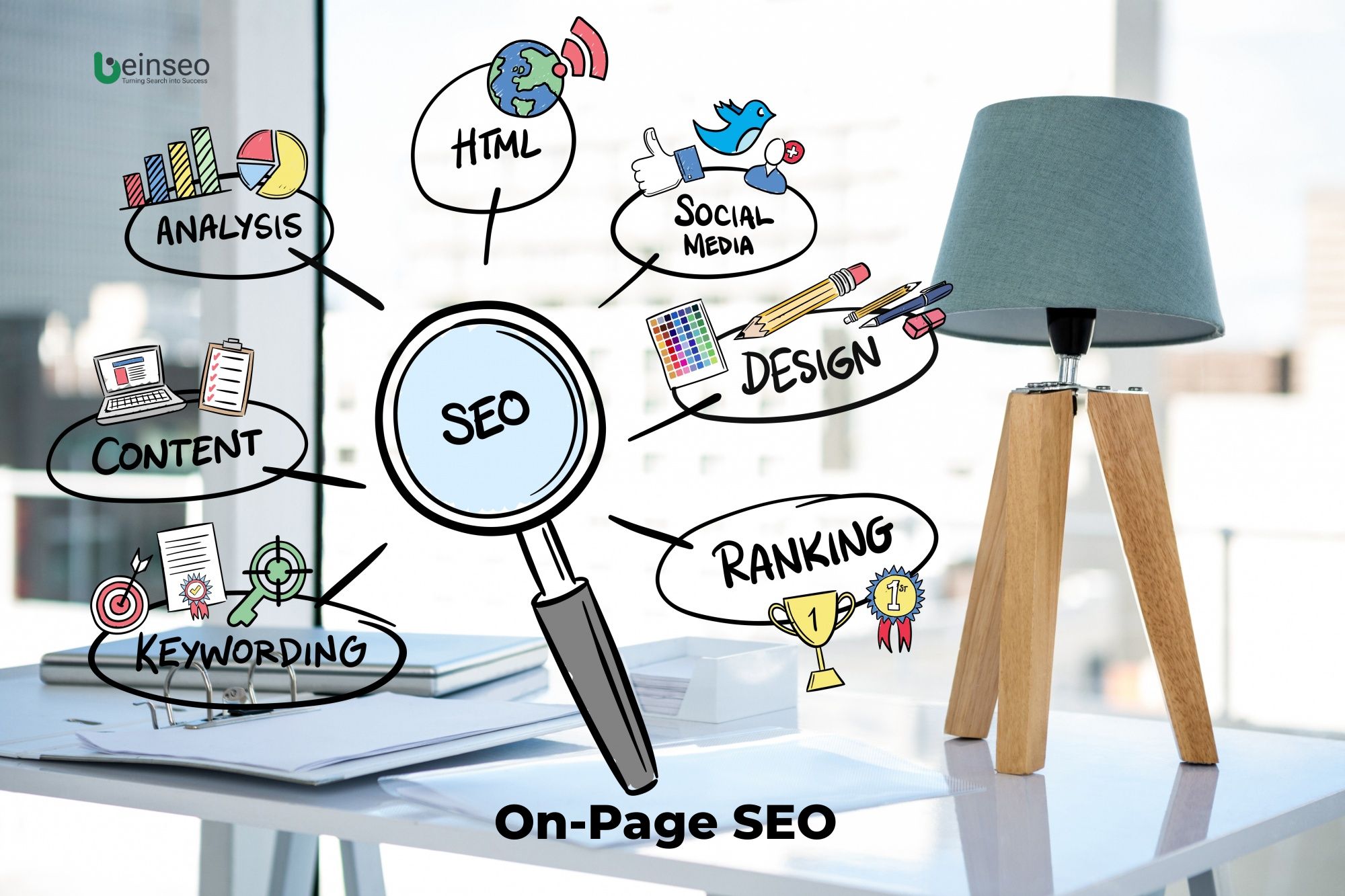
On page SEO are the techniques that are implemented to improve the performance and visibility of a website on the search engine results pages (SERPs). It is mostly about the optimization of the elements of a webpage itself, including content, user experience, HTML source code and website structure. The code and structure are often closely related to technical SEO, including crawling, indexing and site speed. Incorporating on page optimization strategies can help website owners increase their opportunity to generate organic traffic and boost their ranking in search engines. When it requires professional assistance, our SEO services include all aspects of this process.
On page SEO is a crucial element in conveying the intent and value of your website to both Google and your visitors. It aids in optimizing your site for search engine bots, AI systems and human visitors alike, ensuring a better user experience. There are several reasons why On-Page SEO is crucial:
1. Better Ranking: By optimizing your website's on-page elements, you increase its visibility and chances of ranking higher on search engine result pages. To determine if your efforts are paying off, you need to know how to monitor key indicators and metrics of SEO.
2. User Experience: A well-optimized website can have a positive effect on the user experience, which can result in increased engagement, reduced bounce rates, and increased conversion rates. This makes your visitors' experience and your site more positive, which is beneficial for your business.
3. Relevance: On-page optimization ensures search engines understand the relevancy of your webpage, improving the chances of it being displayed to users searching for relevant topics.
4. Organic Traffic: Achieving higher search engine rankings generates more organic traffic, reducing reliance on paid advertising and enhancing the website's overall visibility. This increased visibility might result in more exposure and possibilities for your company to reach a larger audience.
There are several important steps to take when optimizing your website's pages for on page optimization. These are some of the key techniques:
To properly optimize your web pages, you must first identify appropriate keywords that connect with your target audience. You can gain useful knowledge of what keywords and phrases users are using to search for information related to your website by using a trusted keyword research tool.
In 2026, go beyond individual keywords and focus on search intent: what the user actually wants when they type a query (learn, compare, buy, or find a specific site). Create topic clusters of keywords and questions, using one main page for the main topic and supporting pages for subtopics, which are interconnected. Notice longer, conversational questions, as users are more likely to ask full questions of search engines. For voice search and conversational queries, our post on SEO for voice search and conversational queries covers how to target them.
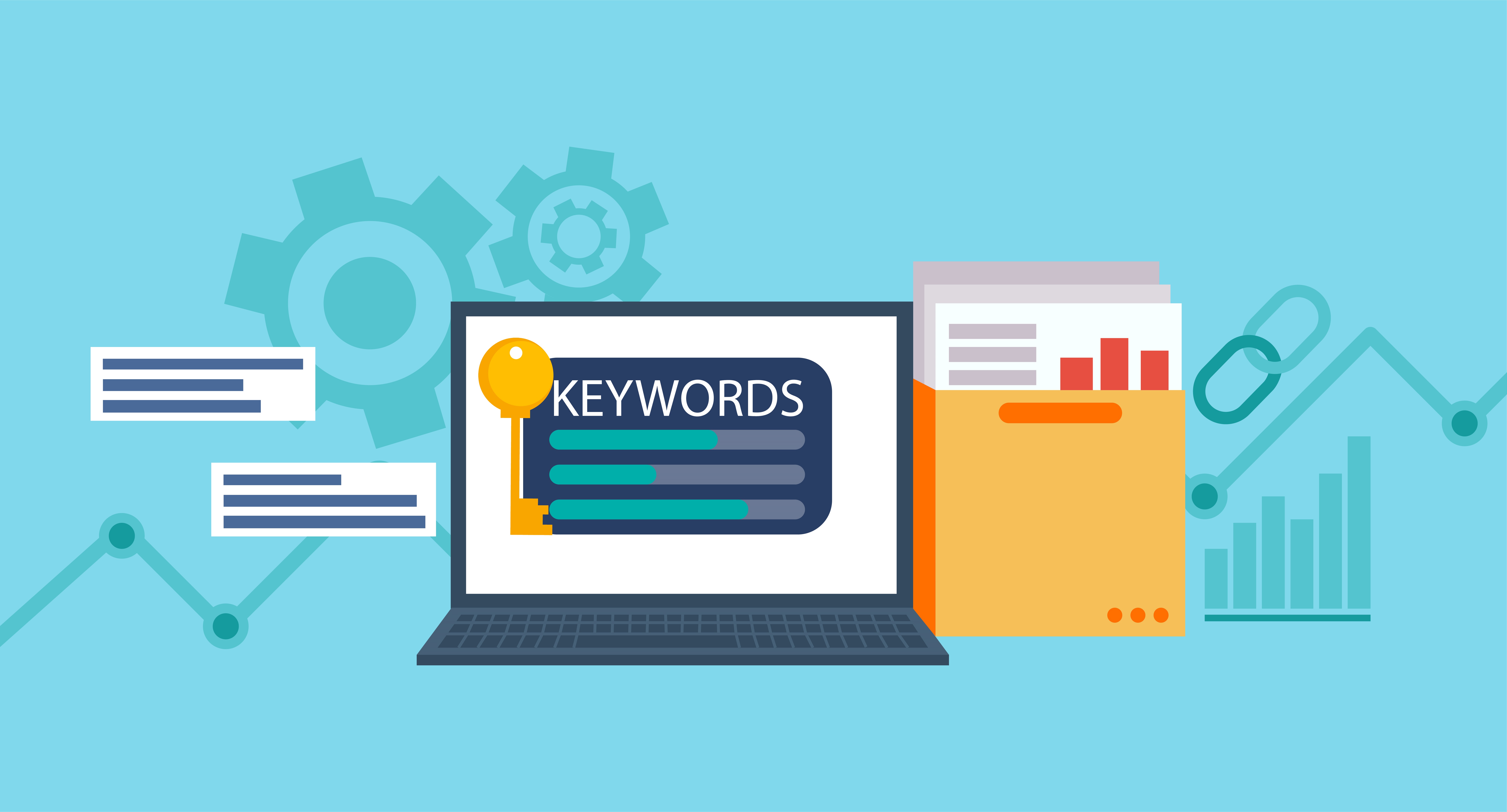
This will allow you to generate content that's related to users' intent for searching and increase the visibility of your web page in results shown by search engines.
Page Title Tags & Meta Descriptions:
When it comes to optimizing your webpage for search engines, crafting compelling and descriptive page titles is key. Your page title should accurately represent the content on your webpage while incorporating relevant keywords to enhance search engine visibility.
By creating unique and SEO-friendly page titles, you increase the chances of earning organic traffic and improving your website's rankings. Remember to keep your page titles concise, engaging, and relevant to the content on the page to provide a positive user experience and maximize your SEO efforts.
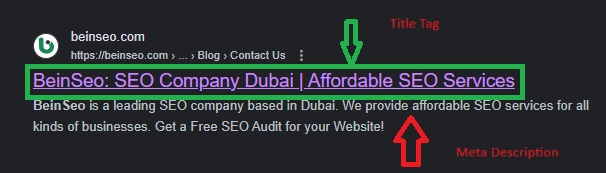
Meta descriptions are an essential component of your content that gives an overview of your webpage's content. Create compelling and informative meta descriptions that will attract users to click through to your site. Just remember that meta descriptions are not a ranking factor, and that Google can adjust them based on the query, but a good meta description can still increase click-through rates.
High-quality media is a key on page element to your SEO. Original photos, graphics, videos and other engaging content make your pages stand out and hold visitors' attention in 2026.
For your images, use meaningful file names and alt text. This assists search engines in understanding the image's information and improves accessibility for visually impaired people. Use modern formats such as WebP or AVIF, compress images, and use lazy loading so images don't slow down your page.
The building blocks of your webpage's source code are known as HTML elements.
To access the source code of any webpage in your browser, right-click the page and choose "View Page Source," or press Ctrl+U (Cmd+Option+U on Mac).
Header Tags:
Utilize header tags (H1, H2, H3, etc.) to structure your content. Use one H1 per page, and incorporate relevant keywords in your headers to help search engines and readers understand the hierarchy and importance of different sections of your webpage.
Clear headings also help AI search tools to retrieve and quote your content. Start each major section with a brief, succinct response (40-60 words) followed by a detailed response. Use question style headings and bullet points, numbered steps or tables where they will help users scan information.
<title> Advanced On-Page SEO Techniques for 2026 </title>
Titles are used to convey the information found on a web page to both users and search engines. They help search engines understand the content and its importance and offer insight to visitors about what they will find on the different pages.
<h2> What is On-Page SEO </h2>
These tags help in structuring your content for readers and assist search engines in identifying the most significant and relevant sections based on search intent.
By utilizing these tags, you can effectively organize your content, making it easier for readers to navigate and understand while also enabling search engines to prioritize the most relevant information. This ensures a seamless user experience and improves the visibility of your content in search engine results.
Internal linking is the technique of linking to other pages on your own website in SEO.
t involves creating hyperlinks from one page to another within the same domain. The purpose of internal linking is to establish a connection between different pages on your website, improve navigation, and distribute authority and relevance. It also helps search engines discover your pages and understand how your topics relate to each other.
A perfect example of internal linking in a blog article would be:
(See how the words "BeinSeo Services" are linked to other pages in this sentence.That's an example.)"
In this example, the phrase "BeinSeo Services" is hyperlinked to a relevant page on the same website that gives readers more detail on the topic. By including this internal link, readers who are interested in diving deeper can easily access additional valuable information. Use descriptive anchor text like this rather than generic phrases such as "click here".
Conducting regular on-page SEO audits is essential to identify areas for improvement. Here's a checklist of important factors to consider:
1. URL Structure: Ensure your URLs are clear and concise and include relevant keywords.
"beinseo.com/blog/advanced-on-page-seo-techniques"
For example, the above URL indicates a web page on the "beinseo.com" domain, specifically a blog post about advanced on-page SEO techniques for the year 2026.
2. Content Quality: Provide valuable, well-written, original content that meets the needs of your target audience. Google's systems reward content that shows Experience, Expertise, Authoritativeness and Trustworthiness (E-E-A-T), so:
3. Internal Linking: Link pages that are relevant to each other on your website, and remove any orphan pages that are not linked to.
4. Mobile Optimization: Create a responsive design that allows for easy viewing and usability across different devices. Google uses the mobile version of your site for indexing, so keep the same content and structured data on mobile as on desktop.
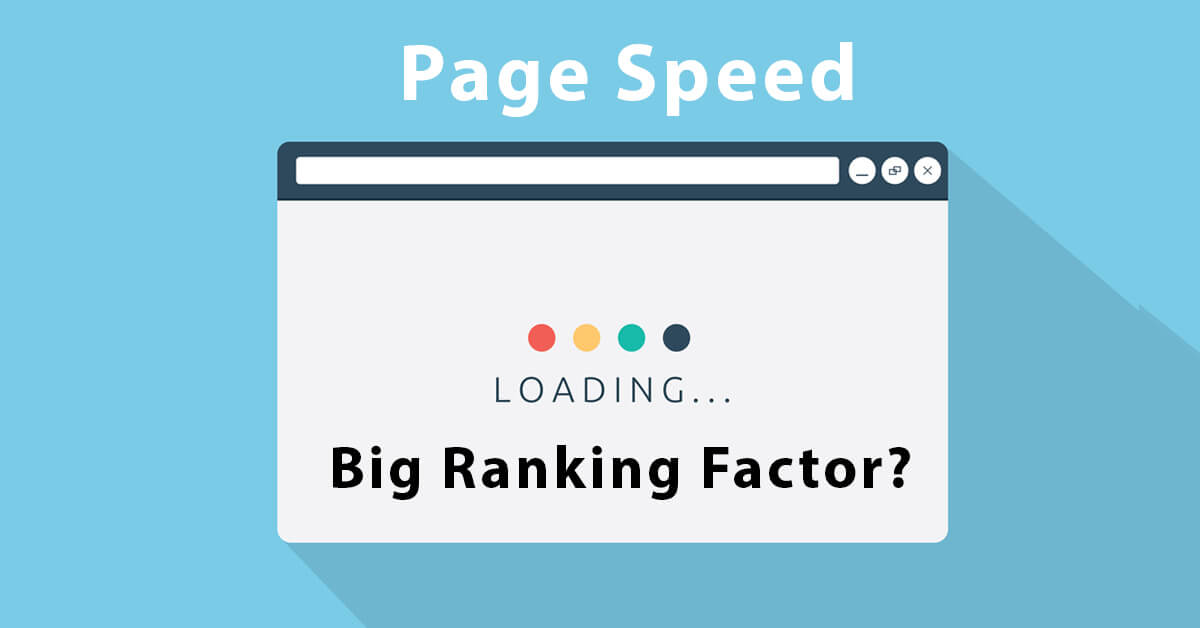
5. Page Load Speed: Optimize your website for fast loading times to enhance user experience and search engine rankings. Aim to meet Google's Core Web Vitals targets:
6. Schema Markup: Provide more information to search engines about your webpage using structured data markup. Article, Organization, Product, LocalBusiness and author/Person markup are useful types. Keep in mind that Google has recently reduced the number of FAQ rich results and no longer displays HowTo rich results, so use schema primarily to assist search engines in understanding your content.
On page optimization for several web pages can be a tough task but with proper approach it can be optimized in an efficient manner:
Content Management System (CMS): Utilize a CMS that allows for easy management and optimization of on-page elements across multiple web pages.
Templates: Create standardized templates that include optimized elements such as title tags, meta descriptions, headers and author details, making it easier to implement on-page SEO consistently.
SEO Plugins: Take advantage of SEO plugins or tools that can automate certain aspects of on-page optimization, such as XML sitemaps, canonical tags, and structured data markup.
Regular Audits: Conduct regular on-page SEO audits to identify issues and areas that require improvement. Use Google Search Console and PageSpeed Insights to monitor performance, indexing and Core Web Vitals, and review your key pages every 6–12 months to keep them fresh.
On-page SEO will continue to be important in enhancing website exposure and attracting organic visitors in 2026. As search engine algorithms and AI systems become more sophisticated, focusing on user intent and providing original, valuable and trustworthy content will be paramount.
Additionally, with the rise of AI-powered search, conversational queries and mobile usage, optimizing for these platforms will offer significant opportunities. Website owners can increase their chances of success in the digital realm by staying on top of the latest trends and implementing cutting-edge on-page SEO methods.
Your gateway to Google supremacy. We craft SEO strategies that propel your brand to the forefront of Google search results.
© copyright 2026 All rights reserved. BeinSEO